Why is my electricity bill so high?
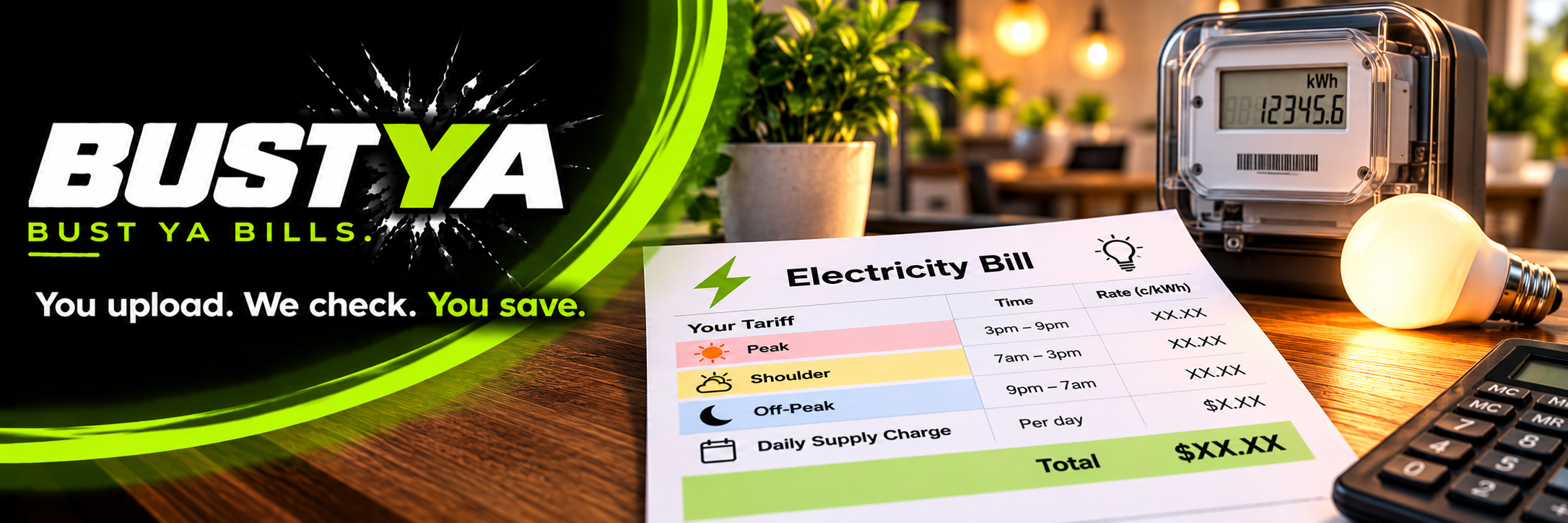
A higher electricity bill does not automatically mean one thing went wrong. The useful question is what changed between this bill and a comparable previous billing period.
1. Check how much electricity you used
Compare total kWh and average daily usage with a previous comparable bill. Average daily usage is particularly useful when billing periods contain different numbers of days.
2. Check your rates and daily supply charge
Your total can rise even when usage is similar if usage rates, daily supply charges or other bill charges have changed. Comparing both consumption and charges helps separate a usage-driven increase from a price-driven one.
3. Check the billing period
A longer billing period can produce a larger total even if your daily behaviour has not changed much. Compare the dates and number of billing days before drawing conclusions from the total amount alone.
4. Check whether the meter read was estimated
If the bill identifies the meter read as estimated, keep that in mind when comparing it with another period. BUSTYA can flag estimated meter-read information when it appears on a supported bill.
5. Compare like with like
Season, household activity and billing length can all affect electricity use. A comparison is more useful when the bills represent genuine, non-duplicate billing periods and you look at daily usage as well as total charges.
Related explanations: estimated meter reads, daily supply charges, and how to compare electricity bills.
Let BUSTYA compare the numbers
Start with your first electricity bill free. As your comparable bill history grows, BUSTYA can show what changed between bills and check for better deals when the required history is available.
Try BUSTYA free